|
2058| 25
|
一人上班或两人上班 |
| ||
 |
||
| ||
 |
||
| ||
 |
||
| ||
 |
||
| ||
 |
||
| ||
|
|
||
| ||
 |
||
| ||
 |
||
| ||
 |
||
| ||
 |
||
| ||
|
|
||
| ||
|
|
||
| ||
|
|
||
| ||
|
|
||
| ||
 |
||
| ||
 |
||
| ||
|
|
||
| ||
|
|
||
GMT-7, 2026-10-16 09:59 , Processed in 1.117071 second(s), 41 queries , Gzip On, APC On.
Powered by Discuz! X3.4
Copyright © 2001-2021, Tencent Cloud.



 狗仔卡
狗仔卡
 鲜花(
鲜花( 鸡蛋(
鸡蛋( 发表于 2012-1-10 15:25

 提升卡
提升卡 置顶卡
置顶卡 沉默卡
沉默卡 喧嚣卡
喧嚣卡 变色卡
变色卡 显身卡
显身卡
 发表于 2012-1-10 15:28



 发表于 2012-1-10 15:34





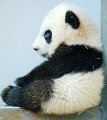

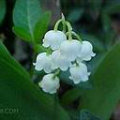
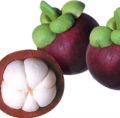
 3 M/ a }( i9 }+ e+ l
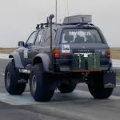

 楼主
楼主